Lower Layers
- 3.8
- Rating
- 10.00K
- Installs
- Free
- Price

 Analysis by App-foxy
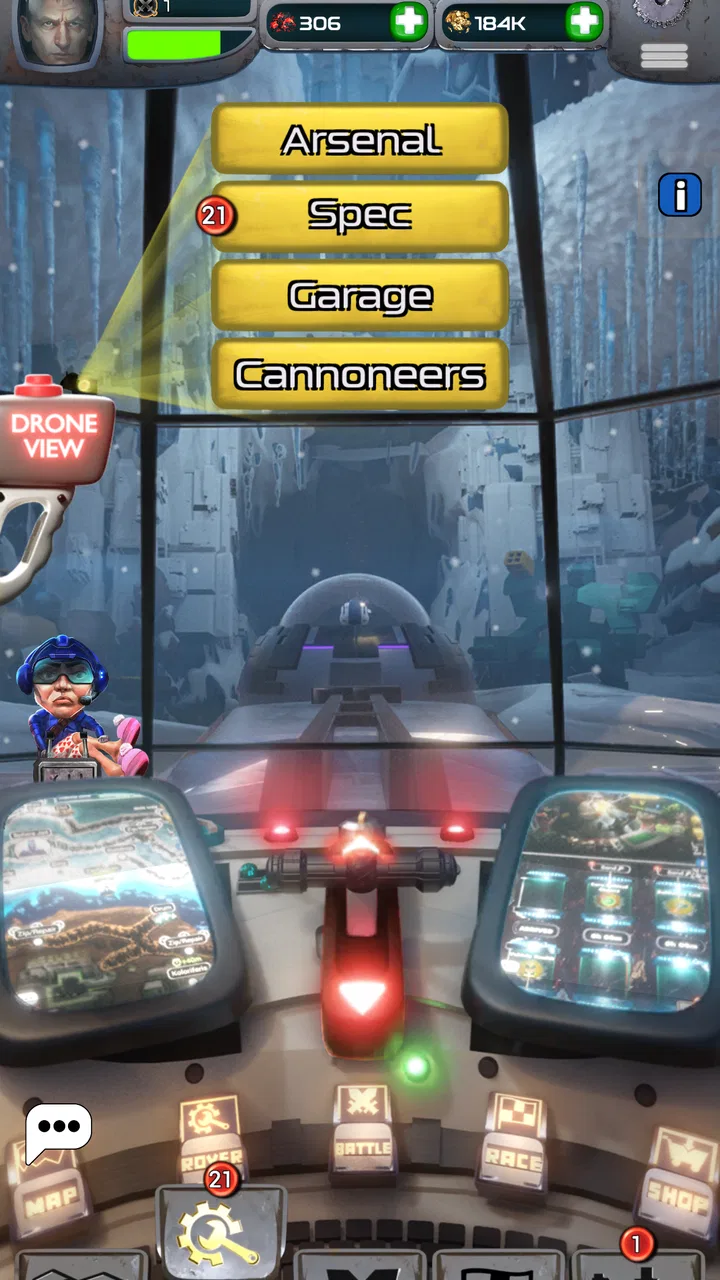
Lower Layers is a strategy game built around the idea of combining player-versus-player combat with progress that can continue while you are away. I spent time looking at it as the kind of game you might open between errands, return to later, and gradually learn rather than finish in one long sitting. That rhythm is appealing, but it also creates an important question: does the game feel rewarding when you are actively playing, or does it mainly ask you to wait and collect progress?
My overall impression is that this is a niche choice for players who enjoy planning around limited attention. It is free to start, carries a Teen content rating, and comes from Oobe games llc. The current version is 1.1.5, and its position in the strategy category makes the intended audience fairly clear: people who like making decisions, improving a setup, and testing themselves against other players without needing every session to be a long tactical marathon.
How Lower Layers feels when you first begin
The most useful way to approach Lower Layers is not as a traditional strategy game that demands constant concentration. Its appeal comes from the contrast between active PvP moments and the slower background rhythm suggested by its AFK design. I found that this changes how I judge progress. A short session can be worthwhile if it gives me a better understanding of my next move, while a longer session is more about refining choices than simply tapping through content.
You May Also Like

 Pandora - Music & Podcasts
Pandora’s Music Is Easy to Start, but Harder to Recover
Pandora’s strength is its low-effort path from a seed to a station. Its weak spot is how much confidence it asks you to place in connection, setup, and quiet recovery.

 AccuWeather: Weather Radar
AccuWeather Review: A Quick, Clear Forecast for Everyday Decisions
For everyday plans, the best forecast is the one you can understand quickly. AccuWeather makes rain timing, radar, and local conditions easy to act on, with a few trade-offs.

 Hill Climb Racing
Why Hill Climb Racing Still Turns Crashes Into One More Run
A tiny car, a bumpy hill and one more upgrade: Hill Climb Racing keeps resurfacing because its simple chaos makes every near-miss feel personal.

 AliExpress - Shopping App
AliExpress Makes Global Shopping Feel Personal, but Shoppers Bear the Risk
AliExpress turns a global marketplace into a pocket-sized discovery engine. Its reach is useful, its shopping loop compelling, and its trade-offs easy to miss.

 Lords Mobile: Kingdom Wars
Lords Mobile Is a Kingdom-Building Routine, Not a Quick Match
A case-by-case verdict on the building, battles, device demands, and social commitments that make Lords Mobile rewarding for some players and exhausting for others.

 PDF Scanner app - TapScanner
TapScanner Makes Paperwork Easier to Capture, Check, and Share
TapScanner makes scanning with a phone feel less like a rescue operation and more like a dependable step in getting work done. Its capture tools are useful, though not flawless.
More From Our News Desk
View All News


That structure should suit someone who checks a game several times during the day. For example, I can imagine opening it during a commute, reviewing what has happened, making a deliberate adjustment, and leaving again rather than feeling forced to stay until a match or stage is complete. The trade-off is that players who want immediate, continuous action may find the pace less satisfying than a conventional real-time strategy game or a direct competitive battler.
The game’s short description, “Lower Layers,” is deliberately brief, so the real attraction is the combination of its title and its PvP-meets-AFK concept. I would not recommend installing it expecting a purely passive experience, though. The competitive side means that active decisions still matter, and the game is more interesting when I treat background progress as preparation for the next meaningful choice instead of as the whole point.
Speed expectations: quick to check, slower to master
Lower Layers appears best suited to a stop-and-check style of play rather than uninterrupted speed. The game’s core promise makes it reasonable to expect progress that does not require constant input, but that should not be confused with instant results. AFK systems are most useful when they reduce the pressure to remain online; they do not necessarily make every improvement happen quickly.
In practical terms, I would approach each visit with a small goal. I might check whether my current setup is still appropriate, decide whether a change is worth the risk, and then leave the game to continue its cycle. This prevents the common mistake of repeatedly reopening the app without a plan. The strongest benefit here is not raw speed. It is the ability to fit strategy into spare moments without abandoning the competitive element.
Players should also separate loading speed from progression speed. A game can open promptly and still feel slow if rewards arrive gradually, while a game with longer decisions can feel efficient when every visit has a clear purpose. With Lower Layers, the second kind of efficiency is the one I would value most. It rewards a player who thinks ahead, not someone who simply wants constant visual activity.
That makes it a better match for people who enjoy incremental improvement. If you prefer games where a single session delivers a dramatic change in power or position, the AFK side may feel restrained. The design is more comfortable for a player who accepts that progress is built through repeated checks, careful adjustments, and occasional PvP pressure.
Heavy-use moments and what they demand from the phone
The most demanding moments are likely to be the ones where active combat, decision-making, and accumulated progress meet. Even without treating the game as a graphics benchmark, PvP naturally creates more pressure than simply collecting an offline result. I would expect the game to feel busiest when I am switching between reviewing progress and preparing for competition, especially if I am making several changes in one sitting.
This is where discipline helps. I would avoid changing everything at once. A better workflow is to alter one part of a strategy, observe how the next encounter feels, and then decide whether another adjustment is needed. That approach makes it easier to understand what actually helped. It also reduces the frustration of returning after a break and finding that several simultaneous changes have made the result difficult to interpret.
For a phone with limited free storage or memory, any strategy game with persistent progress deserves a little attention. I would close other demanding apps before a longer session, keep the operating system reasonably current, and avoid judging performance while the device is already hot from charging or other games. These are sensible habits rather than promises about Lower Layers itself, but they matter most during active PvP use.
The game supports Android devices from version 7.1 onward, which gives it a broad compatibility range. That does not mean every compatible phone will offer the same experience. Older hardware may handle short checks comfortably but struggle more during extended play, particularly if the device has limited memory or several background processes running. I would be more confident recommending it for casual, repeated sessions than for hours of uninterrupted play on an aging handset.
Reliability, recovery, and the value of a safe routine
For an AFK-oriented game, reliability means more than avoiding crashes. It also means being able to return after a break and understand what changed, continue from the previous state, and recover sensibly if a session is interrupted. That is why I would build a simple routine around the game: check progress, make one or two intentional decisions, confirm the result, and then leave it alone.
This routine has another advantage. It limits the damage caused by playing while distracted. PvP strategy is rarely improved by hurried choices made while multitasking. If I only have a few seconds, I would collect what is ready and postpone the important decision until I can actually read the situation. That is a small but useful distinction between using the AFK side well and treating the game like a notification feed.
Recovery matters particularly when a player returns after several hours. The temptation is to spend everything immediately because a large amount of progress has accumulated. I would resist that. First, I would review the current state and identify whether the next investment improves consistency or merely produces a short-term increase. In a competitive game, preserving a flexible setup can be more valuable than making the biggest possible upgrade at once.
I also recommend keeping expectations realistic around interruptions. A free-to-play mobile game can be affected by the ordinary limitations of phones: changing network conditions, battery-saving behavior, and operating-system background restrictions. Lower Layers’ AFK concept makes it attractive for intermittent play, but I would still avoid assuming that every background process will behave exactly like an always-open session. The safest habit is to return to the game and verify the result before making a major competitive choice.
Device constraints and spending choices
Lower Layers is free to download, which makes trying its central loop relatively low-risk. Its in-app purchases range from $0.99 to $99.99 per item, so the financial gap between a small optional purchase and a very large one is substantial. I would decide on a personal limit before playing, especially because competitive progression can make purchases feel more urgent than they did at the start.
My advice is to treat the free experience as a test of the game’s rhythm. Before spending, I would ask whether I enjoy checking progress, adjusting strategy, and dealing with PvP outcomes even when improvement is gradual. If those parts are not fun without a purchase, spending is unlikely to solve the underlying problem. On the other hand, a player who already enjoys the loop can make a calmer decision about whether optional purchases are worth it.
The Teen rating is another practical consideration. I would not frame this as a simple children’s time-filler, particularly because competitive play and in-app purchases can encourage longer engagement. Parents should look at the game together with the player and discuss purchase boundaries before installation. That conversation is more useful than assuming that a strategy label automatically means a low-pressure experience.
For hardware, I would choose a device with enough free space for normal updates and enough battery for active sessions. The minimum Android requirement is 7.1, but compatibility alone is not the same as comfort. A newer mid-range phone should be a safer choice for regular play, while an older device may be better used for brief checks rather than extended competitive sessions. If your phone already slows down when several apps are open, Lower Layers may not be the title I would use to test its limits.
Three practical ways to get more from the AFK structure
First, I would use the game as a planning loop instead of a collection loop. Before leaving, I would decide what I want the next return to answer: whether a change improved my position, whether a resource should be saved, or whether I am ready to take a competitive risk. This turns idle time into useful information and prevents random spending.
Second, I would separate maintenance sessions from challenge sessions. A maintenance visit is short and cautious: review progress and keep the setup stable. A challenge session is when I have enough time to concentrate on PvP and evaluate the result. Mixing these two moods can lead to impulsive decisions, especially when I open the game only to collect something and suddenly start changing several parts of my plan.
Third, I would keep a simple mental record of what changed before each important result. This is especially valuable in an AFK strategy game because progress can accumulate between visits, making cause and effect less obvious. If I improve multiple things simultaneously, I may feel stronger without knowing why. Changing one meaningful variable at a time gives me a clearer sense of which decisions deserve repeating.
A fourth tip is to avoid measuring success only by winning the next encounter. A competitive result can be affected by timing, preparation, and the opponent’s choices. I would judge a session by whether I learned something actionable: perhaps a certain approach is too fragile, or perhaps saving resources gives me more flexibility. That mindset makes losses less wasteful and fits the slower, iterative character of the game.
Who should play it, and who should skip it
I would recommend Lower Layers to players who like strategy but do not want every game to require uninterrupted attention. It is especially suitable for someone who enjoys returning to a developing account, making measured improvements, and occasionally testing those decisions against other players. The combination can work well for a person who has short breaks throughout the day and wants a game that gives those breaks a sense of continuity.
I would also suggest it to players who enjoy comparing approaches rather than simply chasing a single optimal path. The AFK structure encourages patience, while PvP gives that patience a reason to matter. If you like observing how a plan performs over time, the game has a more interesting proposition than a purely passive idle title.
I would skip it if your main priority is immediate action, highly detailed real-time control, or a fully predictable solo campaign. A traditional strategy game may be better when you want to pause, analyze a fixed battlefield, and control every important event yourself. A conventional competitive action game may be better if the excitement comes from reflexes and constant movement rather than preparation between sessions.
I would also be cautious if spending pressure quickly affects your enjoyment. The free entry point is helpful, but the broad purchase range means players should be comfortable setting boundaries. The game is not a good fit for someone who dislikes gradual progression, competitive setbacks, or the feeling that a purchase might make the next step easier.
How it compares with familiar strategy alternatives
Compared with a standard turn-based strategy game, Lower Layers is less about controlling a complete battle from beginning to end and more about managing a continuing process. That makes it easier to fit into a busy day, but it may offer less satisfaction to players who want every outcome to come directly from a carefully executed turn.
Compared with a pure idle game, the PvP element gives decisions more consequence. I would not simply open the app to claim progress and close it forever; the competitive layer encourages me to think about how that progress affects future encounters. The trade-off is that competition can make the relaxed AFK rhythm feel more demanding when a plan fails.
Compared with a real-time PvP title, Lower Layers should appeal more to planners than to reaction-focused players. I can step away and return later, which is convenient, but I lose some of the immediate tension that comes from controlling every second. Neither approach is automatically better. The right choice depends on whether you want strategy to fit around your schedule or want your schedule to revolve around the match.
Its average rating is 3.8 from around eighty-five ratings, with seventeen written reviews, and the game has passed ten thousand installs. I read that as a sign of an early, still-forming audience rather than proof that it will suit everyone. The numbers suggest there is interest, but I would rely more on whether the AFK-and-PvP rhythm matches your habits than on popularity alone.
My performance verdict
After considering the way Lower Layers is meant to be played, I see it as a compact strategy option rather than a device-intensive showcase. Its strongest performance quality is practical: it is designed around returning in short bursts, then using active attention when a meaningful decision or PvP moment arrives. That can make it feel efficient on a phone used throughout the day, provided the player accepts gradual progress.
The main friction is not necessarily speed. It is the possibility that the player’s expectations and the game’s rhythm do not match. Someone looking for nonstop action may interpret the AFK structure as waiting, while someone looking for a completely passive idle game may find PvP decisions too demanding. The game sits between those styles, and that middle ground is both its identity and its biggest limitation.
For the best experience, I would install it on a device that comfortably meets the Android requirement, keep active sessions focused, and establish a spending boundary before competitive progression becomes emotionally important. I would also use short check-ins for routine progress and reserve longer sessions for decisions that deserve attention.
My recommendation is conditional but positive: Lower Layers is worth trying if you want PvP strategy that can fit around real life instead of taking over your entire evening. I would not call it the right choice for every strategy fan, but for patient players who enjoy planning, gradual improvement, and learning from repeated encounters, it offers a distinctive balance. The best reason to keep it installed is not the promise of constant speed; it is the chance to make each return purposeful.
Oobe games llc has positioned this free game around a clear hybrid idea, and the current version 1.1.5 gives interested players a straightforward starting point. I would begin without spending, test how the progress loop feels on my own phone, and decide from there. If the quiet periods feel like useful preparation rather than empty waiting, Lower Layers may become a comfortable daily strategy habit.
FAQs for Lower Layers
01What is Lower Layers and what can I do with it?
Lower Layers is an interactive puzzle game focused on exploring layered environments, solving spatial challenges, and uncovering what lies beneath each scene. During our review, progression depended on observing details, understanding how the layers interact, and experimenting with different actions. It is designed for players who enjoy thoughtful gameplay rather than fast combat or highly competitive multiplayer matches.
02Is Lower Layers free to download and play?
Lower Layers may be available as a free download, although the exact pricing model can vary depending on whether you install it on Android or iOS and which region your account uses. Before downloading, check the official store listing for information about advertisements, optional purchases, premium content, or a one-time payment. Store details can change after updates, so confirm the current conditions first.
03Does Lower Layers work offline?
Lower Layers may allow you to play at least some of its puzzle content without a constant internet connection, but this can depend on the version installed and the feature being used. An internet connection may still be required for the initial download, updates, advertisements, cloud synchronization, or purchases. If offline access is important, test the game after installation before relying on it during travel.
04Is Lower Layers suitable for children and casual players?
Lower Layers can suit casual players who enjoy calm, discovery-based puzzles and are comfortable learning through experimentation. However, the game may include challenges that require patience, visual attention, and abstract thinking, so younger children could need assistance with certain sections. Parents should review the age rating, privacy information, advertisements, and in-app purchase settings shown on the relevant Android or iOS store page.
05What device requirements and permissions does Lower Layers need?
Before installing Lower Layers, make sure your phone or tablet uses a supported version of Android or iOS and has enough free storage for the game and future updates. The exact requirements can change between releases. Review the store listing for compatibility information and check the permissions requested during installation. If the game uses cloud saves, analytics, or advertising, additional connectivity or privacy options may apply.
Pros
- Clear
- beginner-friendly explanations of networking fundamentals.
- Useful visual diagrams make complex concepts easier to understand.
- Covers how protocols interact across different network layers.
- Good reference tool for students and entry-level IT learners.
- Helps connect theoretical concepts with practical network behavior.
Cons
- Some topics may feel too basic for experienced network professionals.
- Limited interactive exercises for testing your understanding.
- Technical terminology can still be challenging without prior knowledge.
- The app may not replace a complete networking course or textbook.
- Content depth may vary between different lower-layer topics.

Lower Layers
Gallery